21 So-Called “Tourist Mistakes” in Italy - Which Ones Actually Matter?
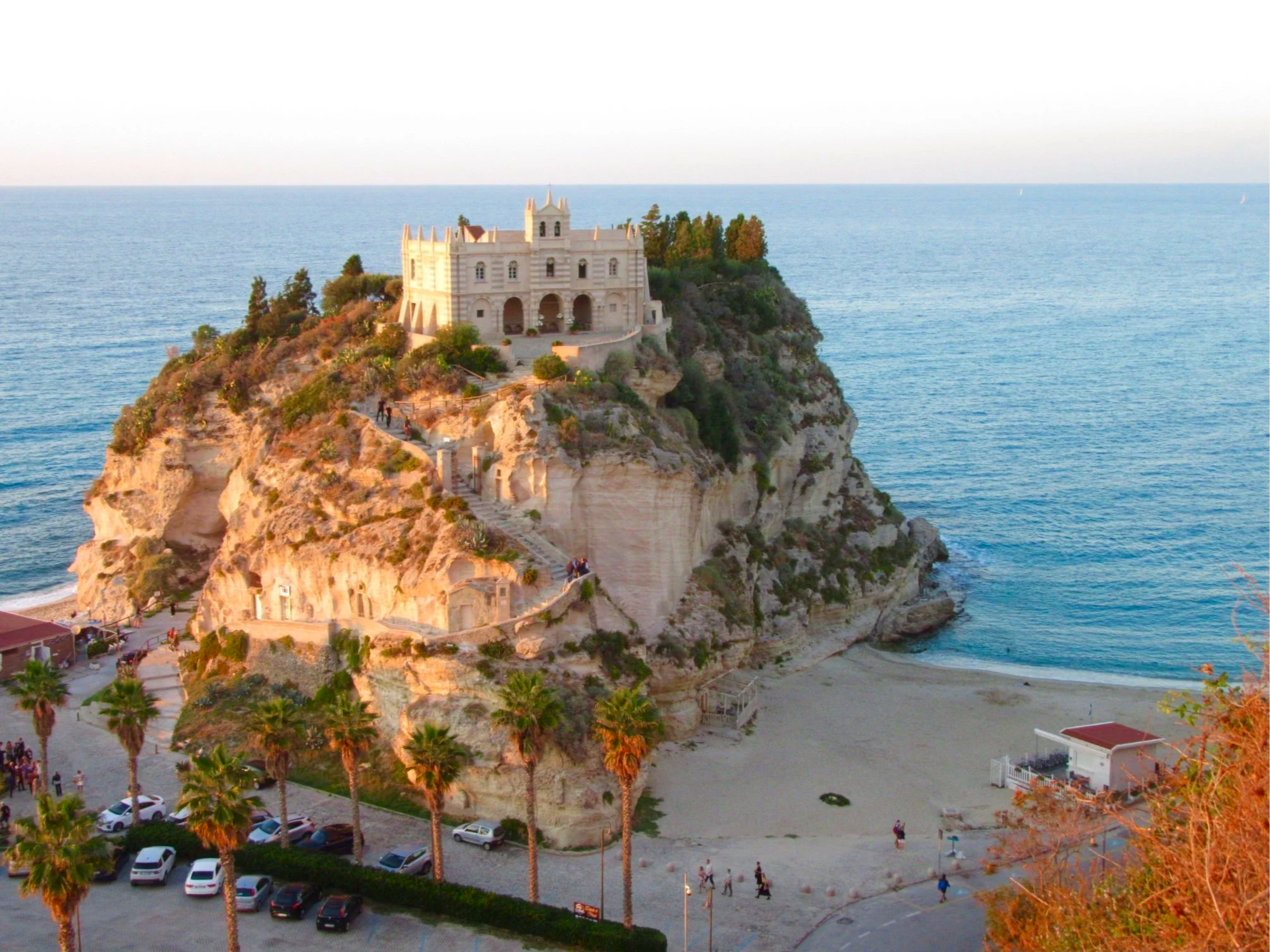
A friend recently sent me a YouTube video titled “34 Tourist Mistakes to Avoid in Italy”. She asked me if I’d check it out and let her know which of the tips are important for travelling in southern Italy. I watched the video, and the idea for this post was born.
I’ve since decided to review a few more videos that provide tips for visiting Italy and mistakes to avoid. From the perspective of someone who has lived in Italy, I found that a good chunk of the tips in these videos are beneficial and would be helpful to tourists.
But some of the advice out there is overdramatized and just isn’t that important. Actually, I think it could lead many people to worry unnecessarily and add some stress to their Italian vacation.
Also, a lot of advice is given by people who have visited places like Rome, Florence, and Venice, but they don’t talk about the south of Italy.
So I want to go over some common tips I’ve seen for travelling in Italy and give you my take. I’ll share what I’ve experienced living and travelling in Italy. And as this blog focuses on southern Italy, I’ll tell you which of these tips apply when visiting the south.
Italy Travel Tip #1
“Don’t order a cappuccino after 11am.”
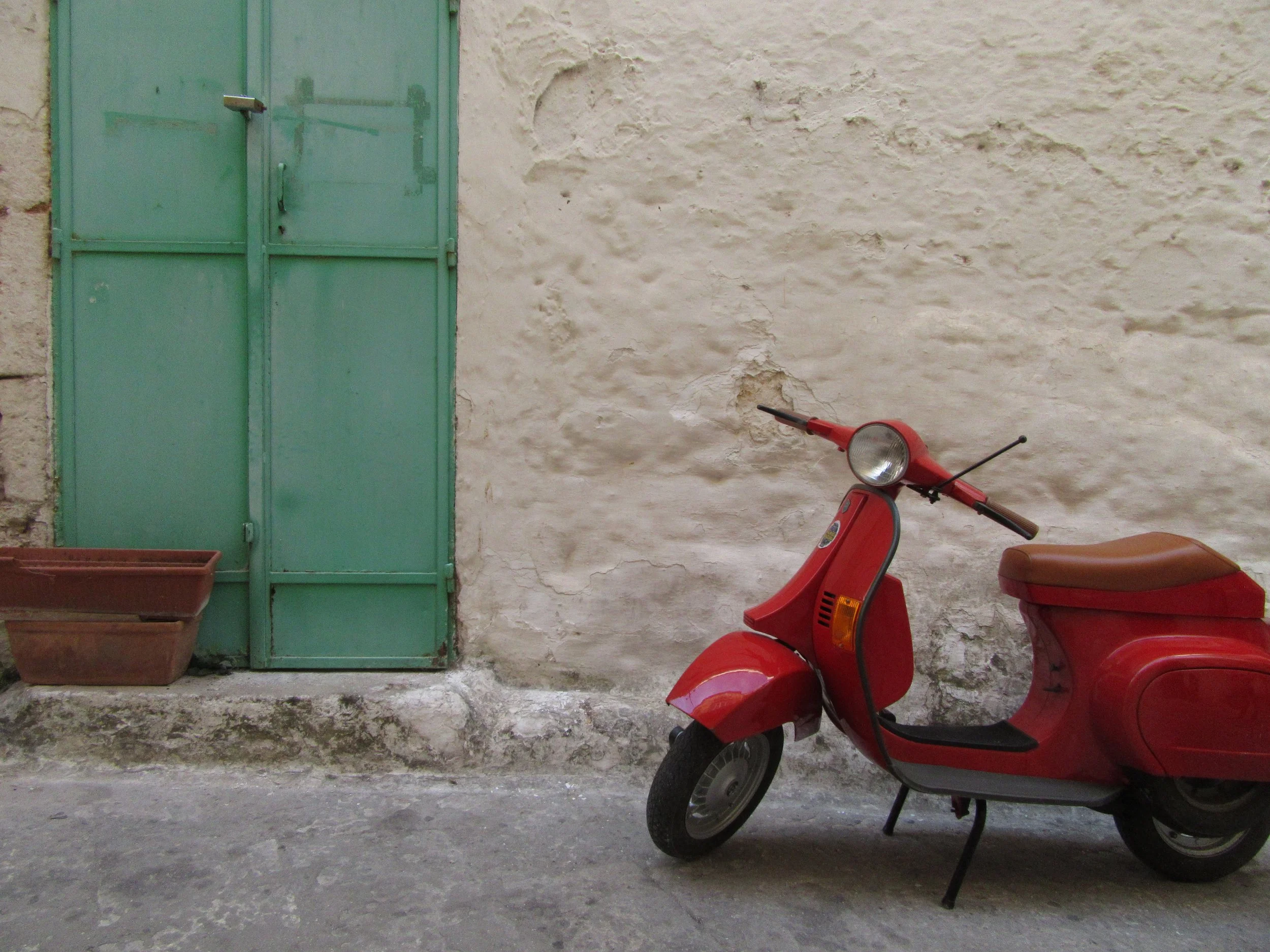
Let’s get this super common tip out of the way first. We have all heard about how Italians don’t drink cappuccinos after 11:00 in the morning. Therefore, many people strongly advise following this Italian rule, or you risk looking like a tourist.
Believe me, the locals already know you’re a tourist. The cappuccino won’t be what gives that away.
You won’t shock Italian bar owners by ordering a cappuccino in the afternoon. Particularly in the south, nobody cares what you order, as long as you’re bringing them business.
So you do you, and have a cappuccino when the mood strikes.
Italy Travel Tip #2
“Don’t show up at major attractions without a reservation.”
This is definitely a good tip if you’re visiting major Italian cities with large museums and historical sights, like Rome and Florence.
The queues to enter popular sites in those cities can be very long. It’s smart to book a ticket and entrance time in advance. Often, the official website of any museum or historical site is the best place to purchase entry tickets.
Is this tip relevant when visiting the south of Italy? Not really. Sicily and Puglia are two of the most visited southern regions, and I can’t think of a single tourist attraction in either region where you would be waiting in a line to enter.
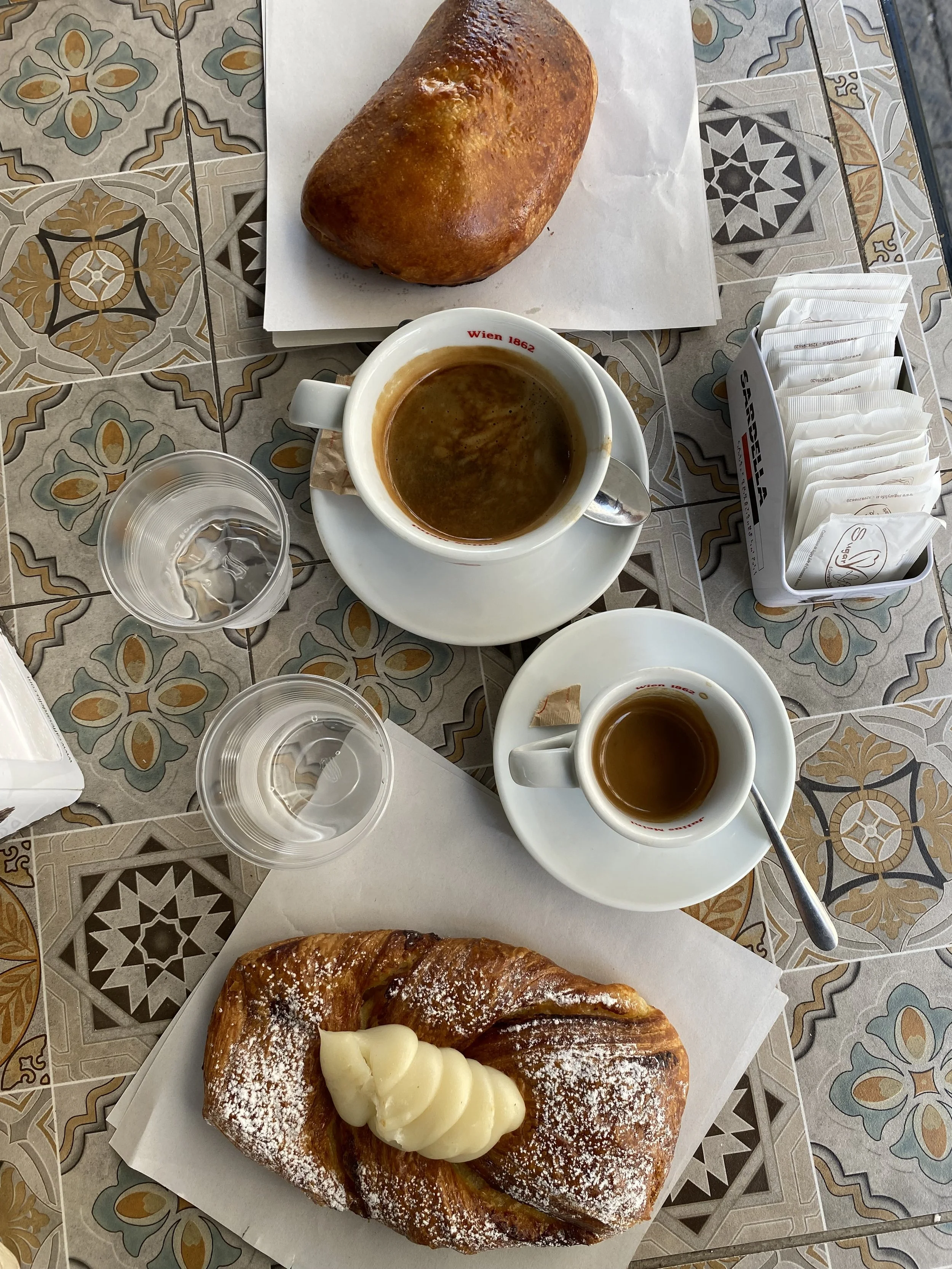
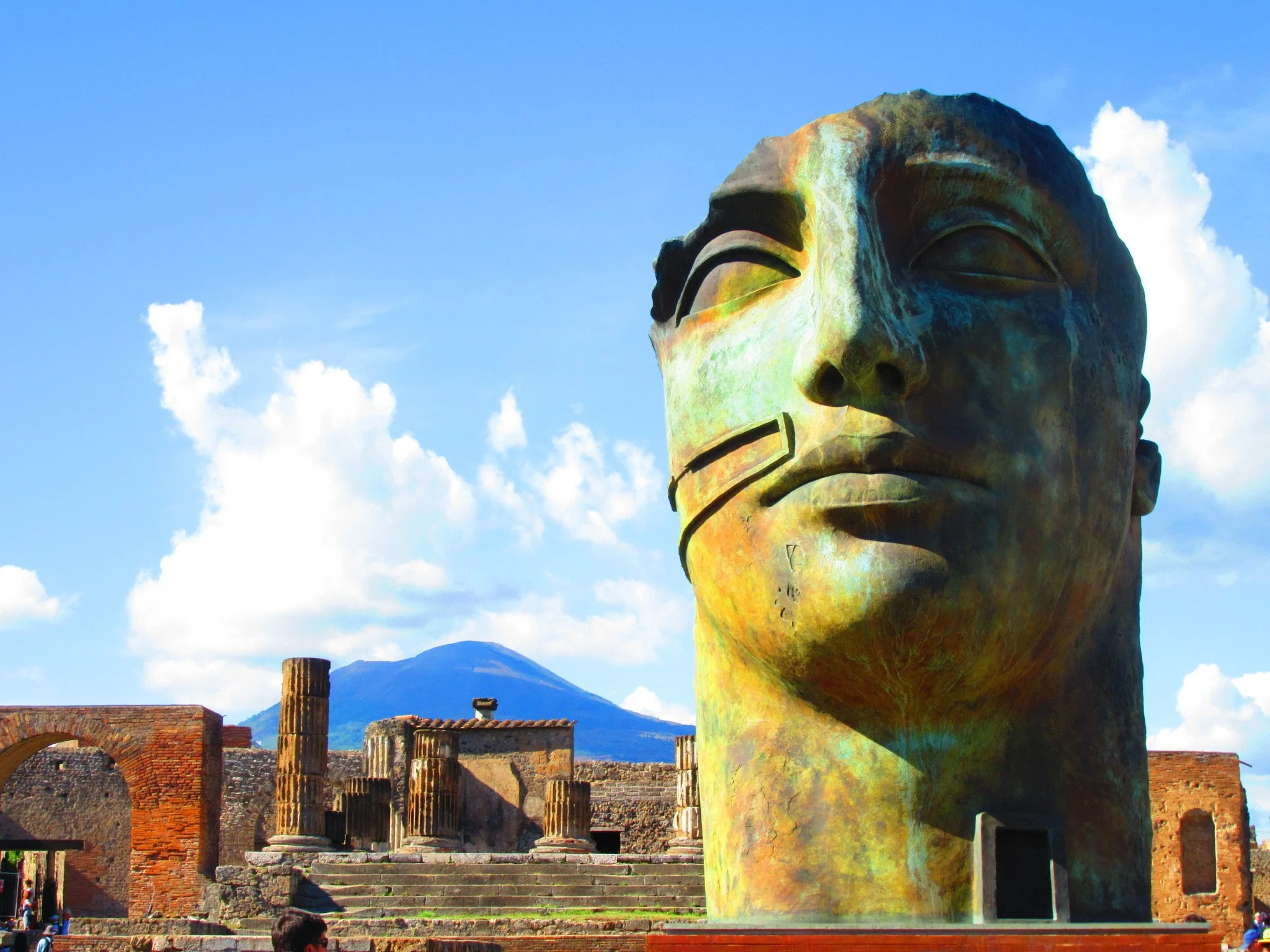
The one exception in the south might be Pompeii. It can get pretty busy in the high tourist season, especially when groups from cruise ships are visiting.
Italy Travel Tip #3
“Don’t visit Italy in the high season (summer).”
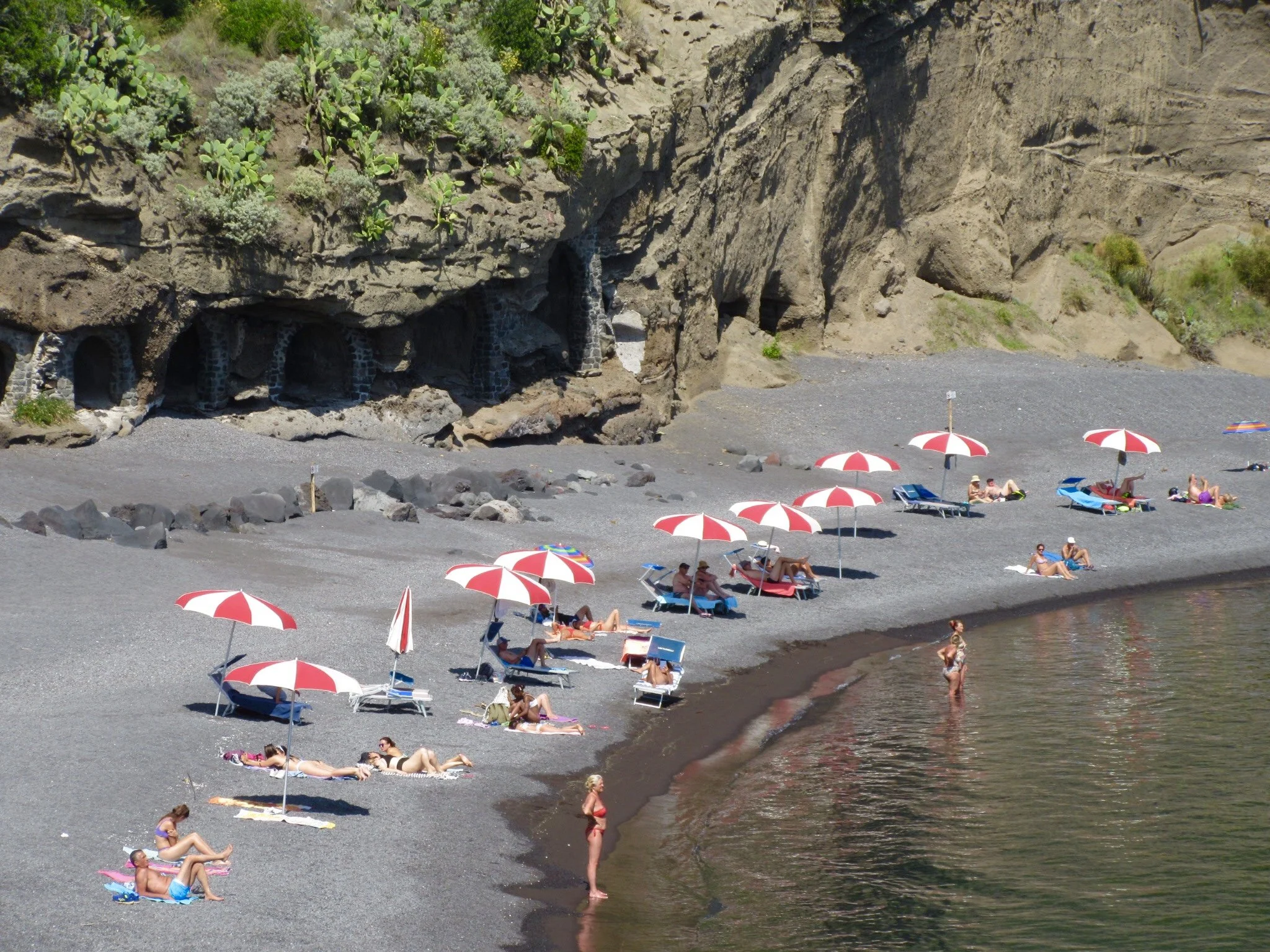
I strongly agree with this advice. Italy in July and August just isn’t as enjoyable as Italy the rest of the year. Many other tourists are visiting; beaches and restaurants are packed; accommodations are more expensive; and it is HOT both outdoors and indoors.
Italians also take holidays in August, and they tend to flock to coastal areas within their own country, often in the south. So the south of Italy can be particularly crowded in the summer months.
June and September are still busy, but the weather and crowds are significantly better than in July and August. You’ll enjoy your time in Italy more in those shoulder months.
If peak summer is the only time you can visit Italy, then I highly recommend spending time in some lesser-known areas. Maybe a farmstay with a pool in the countryside of Abruzzo or Molise, or a rental home close to the sea on one of Sicily’s obscure, rustic islands like Ustica or Filicudi.
Italy Travel Tip #4
“Never buy water in Italy. Drink water from fountains instead.”
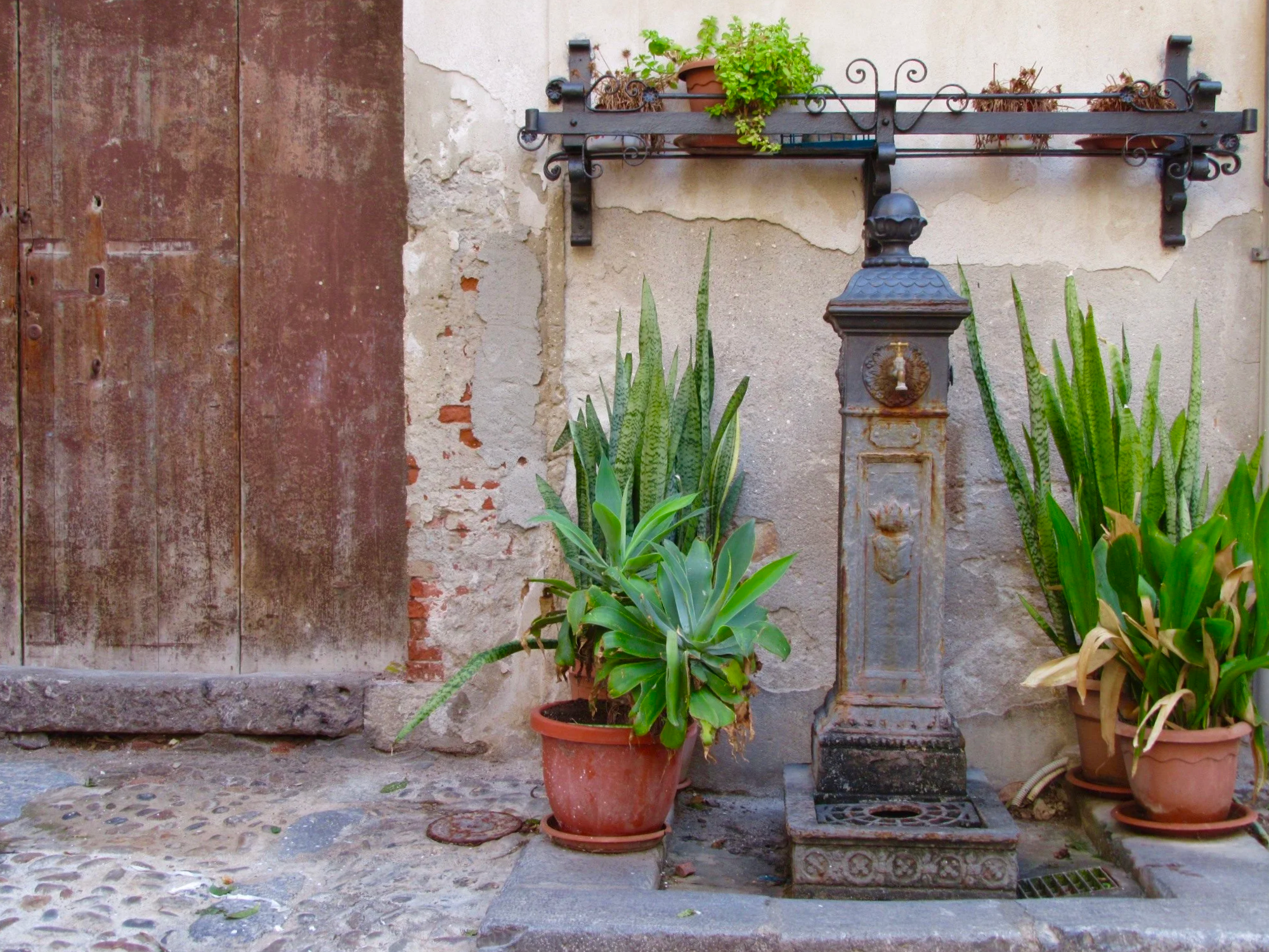
This tip seems to be quite common. Of course, saving money and not buying plastic water bottles is ideal, but this advice isn’t applicable in all parts of Italy.
When you’re visiting Rome, you may have some locals or tour guides tell you that the water from the fountains is good to drink. But when you’re visiting other places, especially in the south, you should ask if the water is safe to drink. Depending on where you are visiting, you’ll get different answers.
If you do need to buy water, get it at a supermarket. It will be significantly cheaper and in a bigger bottle than if you buy it at a restaurant or bar.
Italy Travel Tip #5
“Always carry some cash with you.”
Great tip! Cash is still widely used and asked for in Italy, particularly in the south. If you want to buy food or items at a market, you’ll need cash.
Also, in the south, it’s not uncommon for debit and credit card machines to suddenly “not work” or for ATMs to be out of cash. So when you have an opportunity to take out some cash, do it. The next ATM you come across might not work.
I always trust and prefer to use ATMs outside Italian post offices, called Poste Italiane. You can recognize them by their yellow storefronts and signs, and you’ll even find them in small towns.
Also Read: 11 Best Tips to Travel Italy on a Budget
Italy Travel Tip #6
“Don’t forget to tip at restaurants.”
Nooooo! Tipping is not a thing in Italy! Depending on where you’re from, I know that tipping can feel like the natural, right thing to do, but try to resist the urge in Italy.
I’m sure that an Italian bar or restaurant worker wouldn’t object to a tip. But as someone who lived in Italy and ate out with Italians, I can tell you that tipping is not a thing there, at all. I can especially vouch for that being true in southern Italy.
Actually, when tourists tip at food establishments, it can become something that’s expected of any foreigners living there.
If you’re feeling generous, buy more food or keep returning to spots that treat you well.
Italy Travel Tip #7
“Don’t eat near major tourist attractions, busy piazzas and great views.”
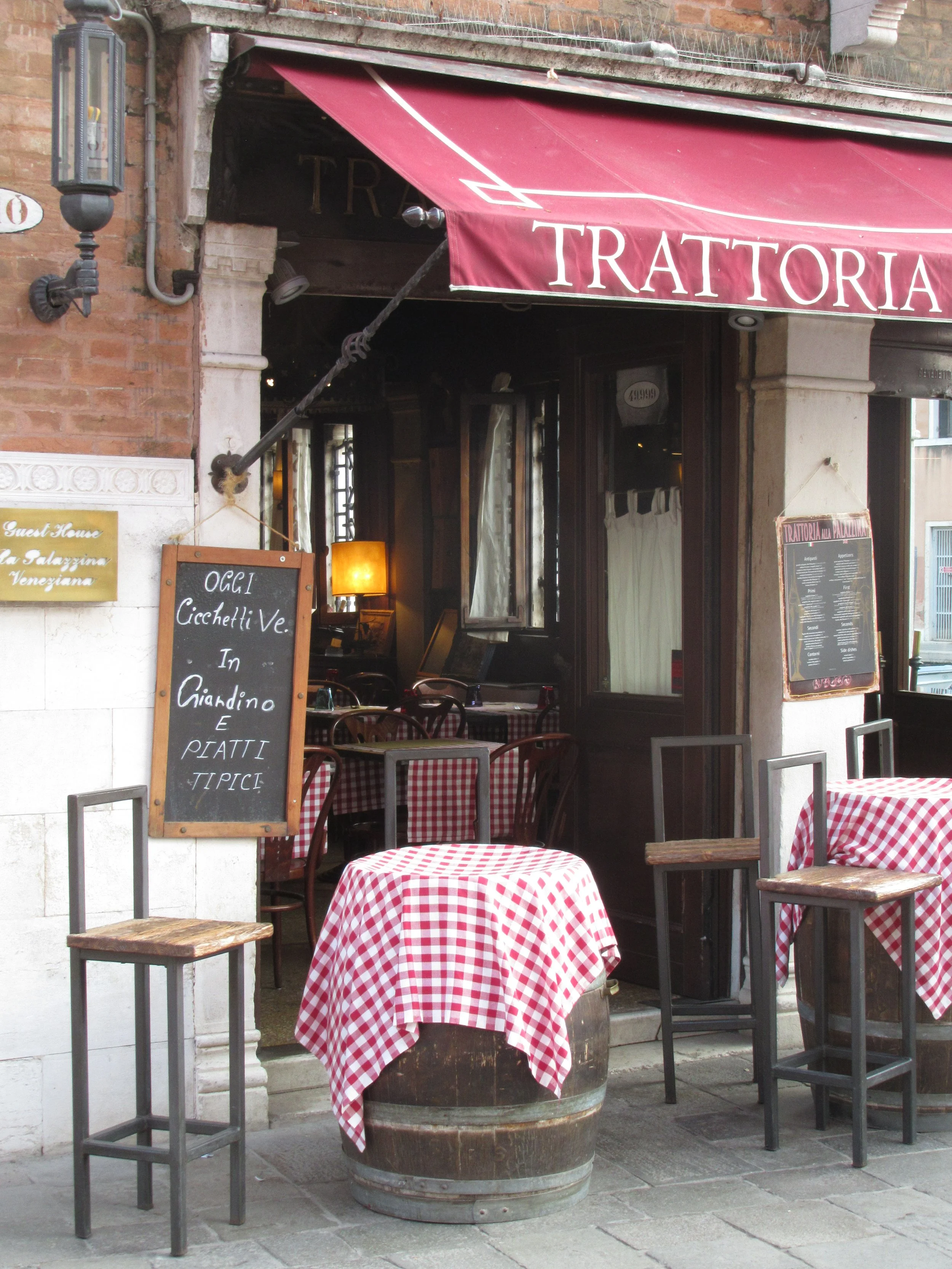
This is good advice. Eating at these spots can indeed be expensive, and the food is often (but not always) mediocre. I understand that the atmosphere around a famous piazza or view can be tempting, but the restaurants and bars there are likely to be disappointing.
You can still enjoy those areas without breaking the bank. Instead of sitting for an entire meal, just order a coffee and a pastry. Or grab a gelato to-go and find a step or bench to sit on, as the locals do.
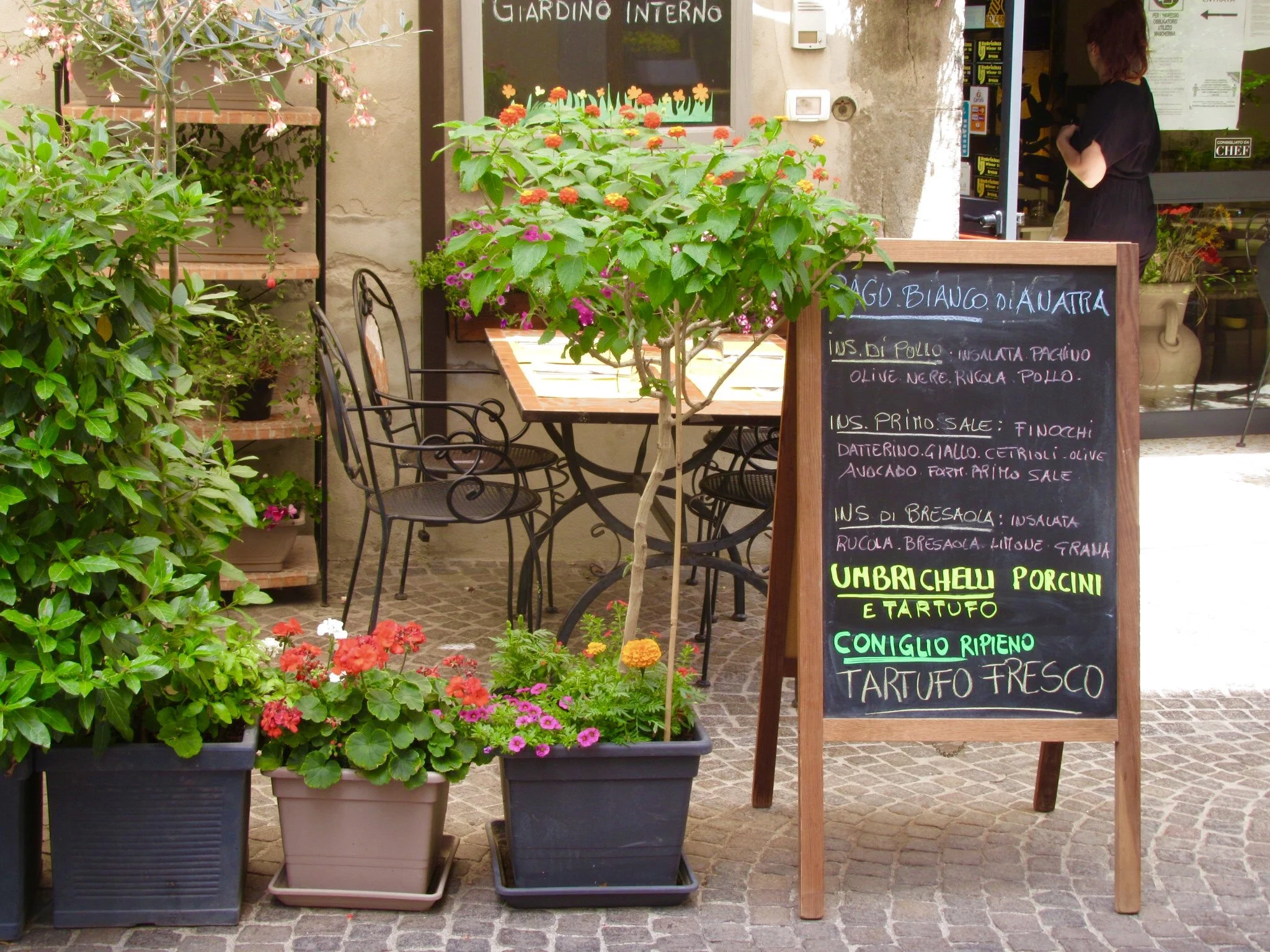
In southern Italy, as in the rest of the country, dining with a great view or in a prime piazza location usually comes at a higher price and with a tourist menu. So for the love of food, do yourself a favor: walk a few blocks away and ask a local where you should eat.
Italy Travel Tip #8
“Don’t do your sightseeing between 10am and 4pm.”
This really depends on where you are visiting. Hot spots like the Cinque Terre or popular Amalfi Coast towns will be zoos in the middle of the day during the high season. The heat and crowds can make you feel like herded cattle.
So what’s the solution? Visit these popular destinations in the shoulder or off-season. Better yet, fill your itinerary with off-the-beaten-path destinations, and you’ll be able to sightsee without crowds at any time of day.
You could also try to book tours and visit sites at the earliest or latest times possible. If you’re staying in a city, like Rome, plan a couple of early morning or late-night strolls around some of the major sites. It can feel pretty special to see the Colosseum or Trevi Fountain at a calm and quiet part of the day.
The same advice can be applied in the south of Italy, but outside of summer, you’ll usually find fewer crowds and have more flexibility to sightsee at your own pace in the south.
Italy Travel Tip #9
“Never assume that locals speak English.”
This is certainly good to remember. You will encounter many Italians who speak English, but by no means should you expect everyone you meet to. After all, you’re not visiting an English-speaking country… and that’s part of the charm and allure.
The farther you travel south in Italy, the less English you will hear. Still, there are many English-speaking tour guides and hospitality workers in popular destinations in the south.
It’s helpful to learn a few Italian greetings and phrases because Italians will respond well to your efforts to communicate, even if it’s very limited. If you start your interactions with a “buongiorno” or “salve”, you’ll probably experience warmer service than if you start with “howdy”.
Also Read: 6 Free Resources to Learn Italian at Home
Italy Travel Tip #10
“Avoid pickpockets by keeping one hand on your phone at all times and wearing your purse in front of you.”
While this advice is useful in very busy, crowded locations, like the Rome metro at certain times of the day or Piazza San Marco in Venice, you don’t need to be this on guard all the time.
Of course, anything can happen anywhere, but pickpocketing in Italy is mostly concentrated around major tourist attractions. Think Trevi Fountain or packed trains between the Cinque Terre towns in summer. In those locations, I would keep my purse in front of me with a hand on it.
But otherwise, act like you would in any city in your home country. Be street smart. And of course, you can relax and be natural in Italy’s small towns and countryside.
While some people believe the relative poverty in southern Italy means they should be more cautious about theft, I personally haven’t felt the need to act any differently than I would in the north.
In general, keep your most important items in a zipped pocket inside your bag so they’re harder to steal or lose.
Italy Travel Tip #11
“Don’t forget to validate your train and bus tickets.”
Yes! This is something you need to remember to do throughout the whole country. After purchasing train or bus tickets in Italy, you need to “validate” them, or have them stamped with the date/time.
For train tickets, you validate them at small machines before you get on the train. These little machines are often found next to the ticket machines or on the outer walls of the train station at Platform 1.
For bus tickets, you validate them when you get on the bus. You’ll often find the validation machines in the middle or back of the bus.
“My biggest tip for avoiding almost any ‘mistake’ you might make as a tourist in Italy is simple: be friendly and considerate toward the locals. It will go a long way in making your trip more enjoyable.”
Italy Travel Tip #12
“Don’t rent a car unless you’re a really confident driver.”
This really depends on where you plan to drive in Italy. If you’re not used to city driving (like me), navigating Italian cities like Rome, Naples, or Palermo can feel overwhelming, from understanding the road signs to adapting to the local driving style.
But driving in the countryside of regions like Tuscany or Umbria is a real pleasure. And highways throughout the country are quite standard and feel safe.
Generally, driving gets more precarious the farther south you travel in Italy. Road rules become suggestions. Still, if you’re not easily stressed while driving, you’ll be fine.
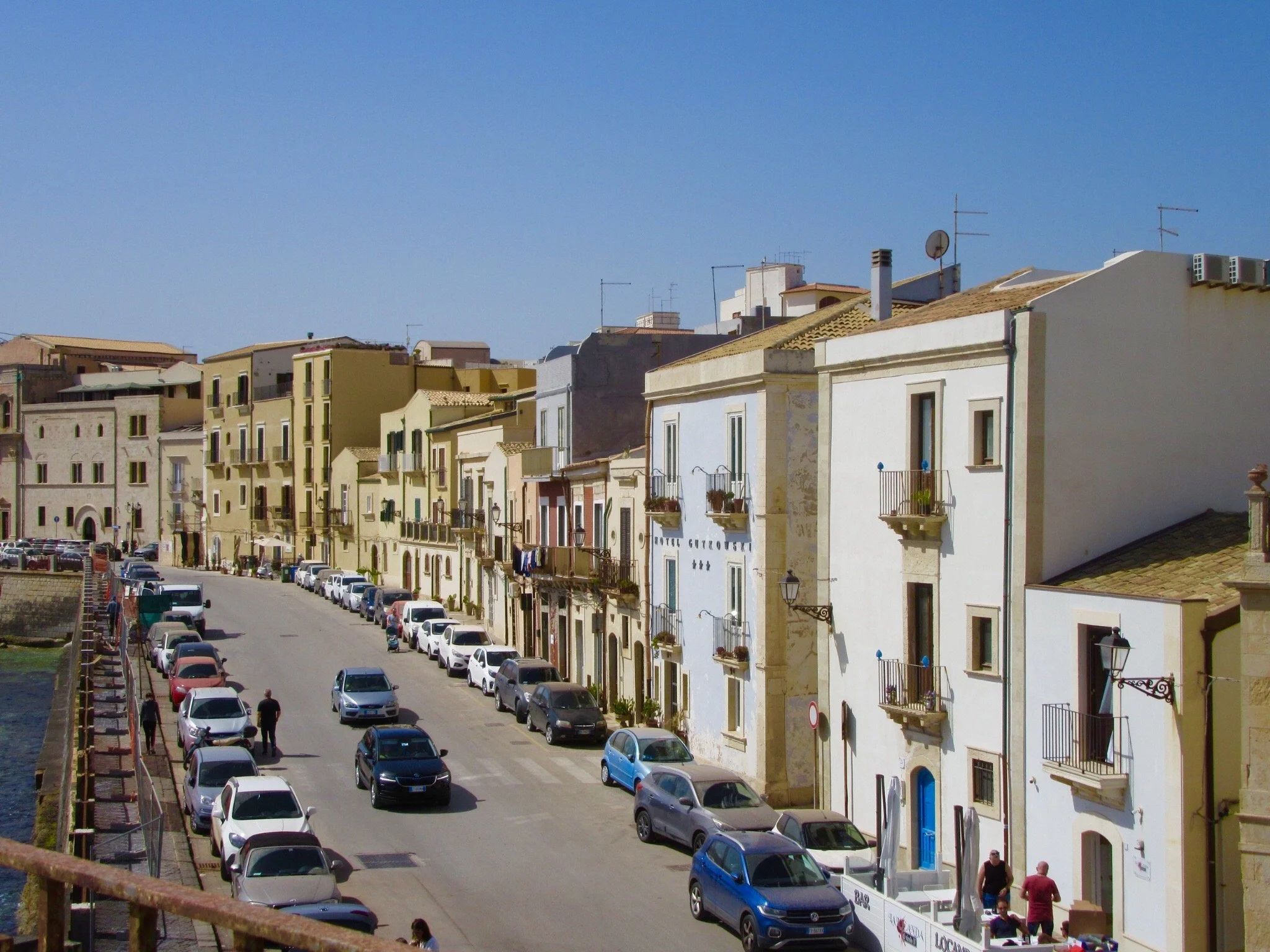
Sicily is probably the most challenging place to drive in Italy. You can get yourself into some sticky situations thanks to narrow and winding roads, dead ends, animals, Google Maps mishaps, and Sicilian drivers who go by their own rules. If you can drive in Sicily, you can drive anywhere in Italy.
Italy Travel Tip #13
“Don’t rely on public transportation in the south of Italy.”
I guess I can understand why someone might say this. The south has a reputation for being less organized than the rest of Italy. But I still feel that the public transportation that most tourists use is pretty good.
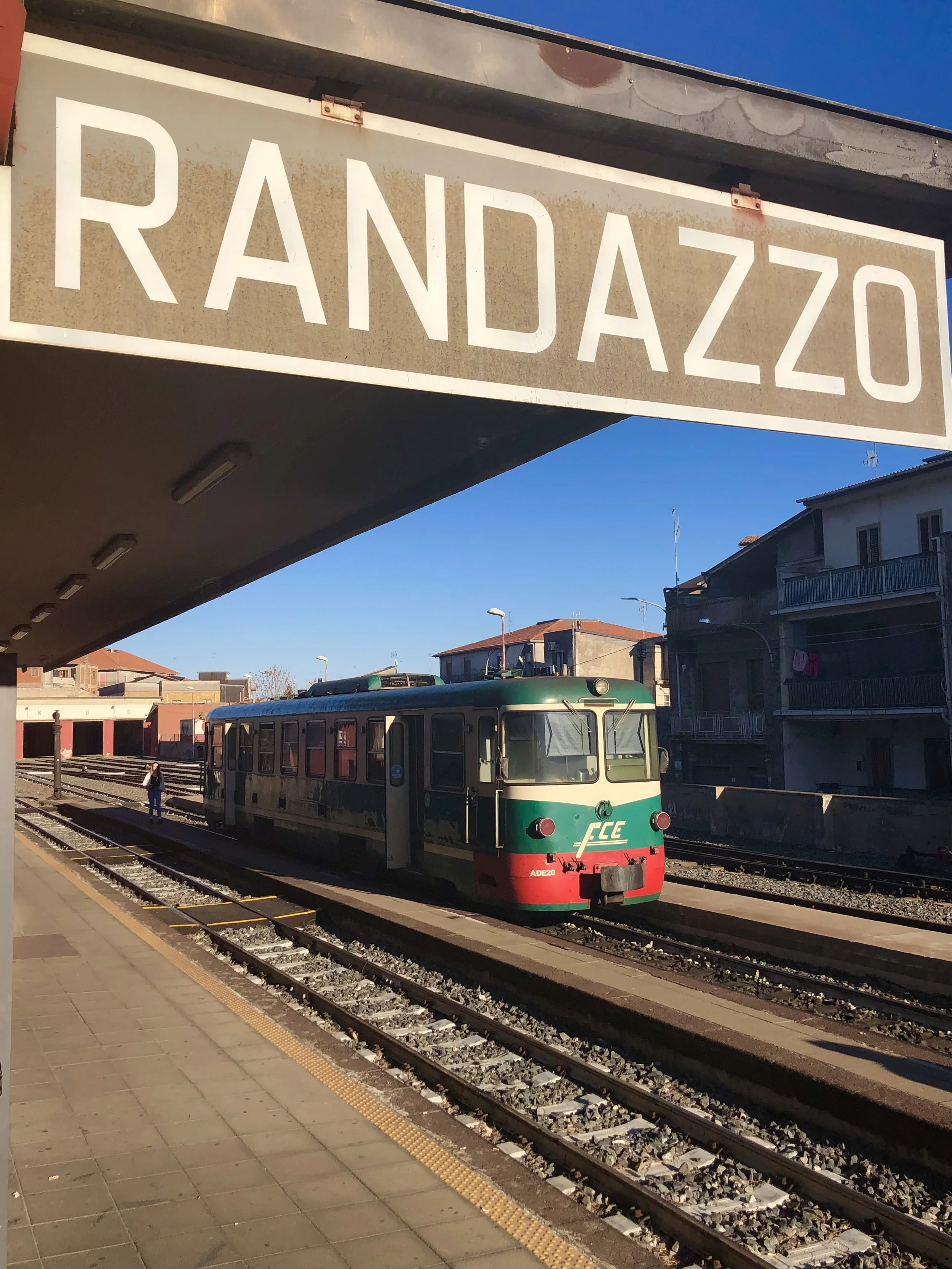
Trains run the same throughout the country. Delays can happen on longer journeys, but local train schedules usually run on time.
In my experience, buses that travel between cities, towns, and airports in southern Italy are reliable. However, local city buses in places like Palermo, Catania, and Naples can be quite erratic.
If you need to get from A to B within a southern city, figuring out how the local bus schedule works can be a waste of time. You’re better off walking, using the metro, or getting a taxi.
Italy Travel Tip #14
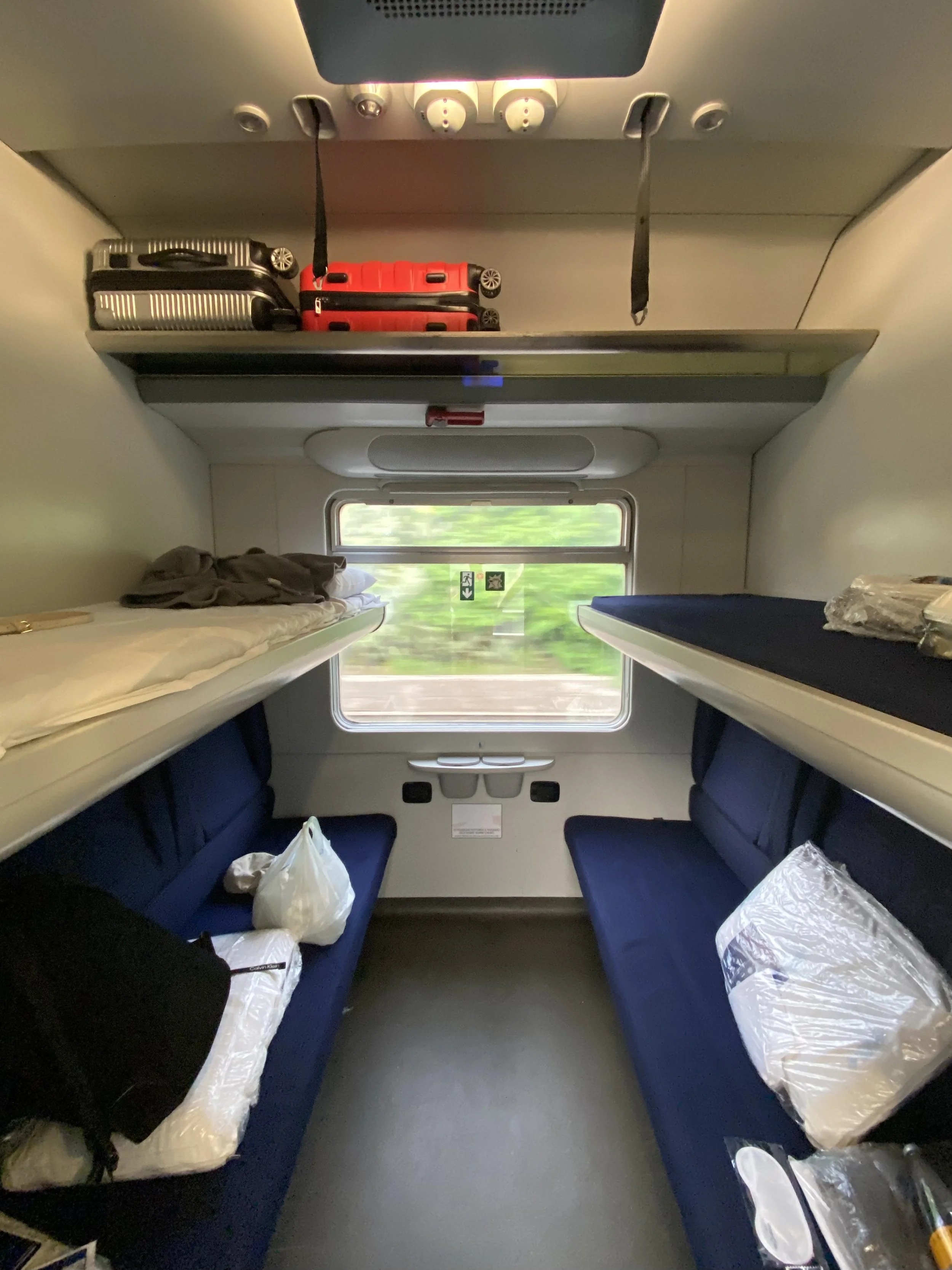
“Book train tickets well in advance.”
This tip really only needs to be applied when taking longer train journeys. For example, if you need to take the train from Rome to Sicily, you can start checking prices for your travel date and consider booking about two months in advance.
For shorter train journeys, like Rome to Florence, you might want to book tickets a week or two in advance.
And for even shorter train rides within a region, it’s not usually necessary to purchase tickets in advance. For example, if you want to take a day trip from Catania to Taormina in Sicily, you can check the train schedule on that day and purchase tickets online or at the station. Tickets don’t tend to sell out, and there are many departures throughout the day.
For shorter, regional travel, it’s nice not to purchase train tickets too far in advance to leave yourself some flexibility in your schedule. If you’re eager to book ahead of time, do it just 1 day in advance.
Italy Travel Tip #15
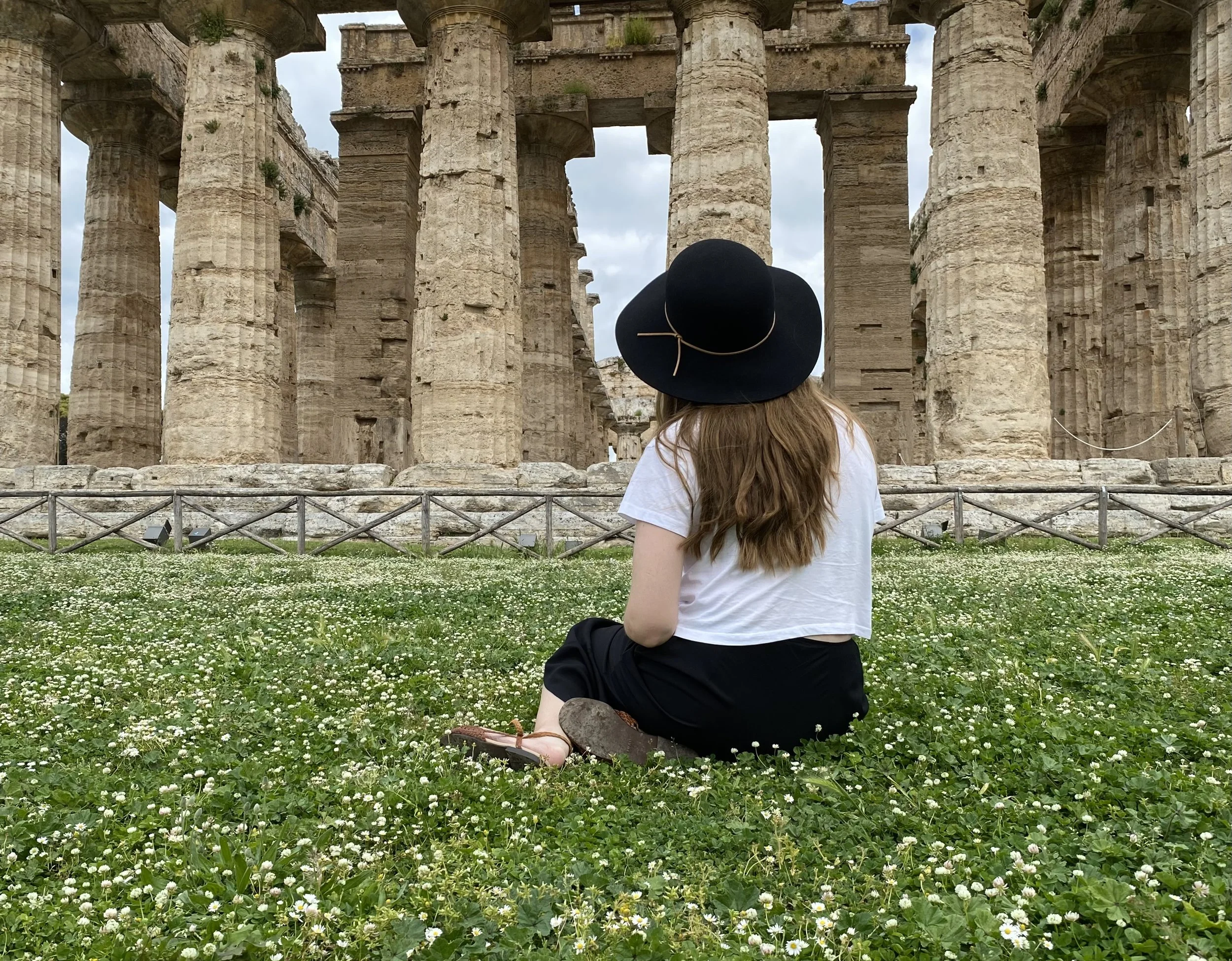
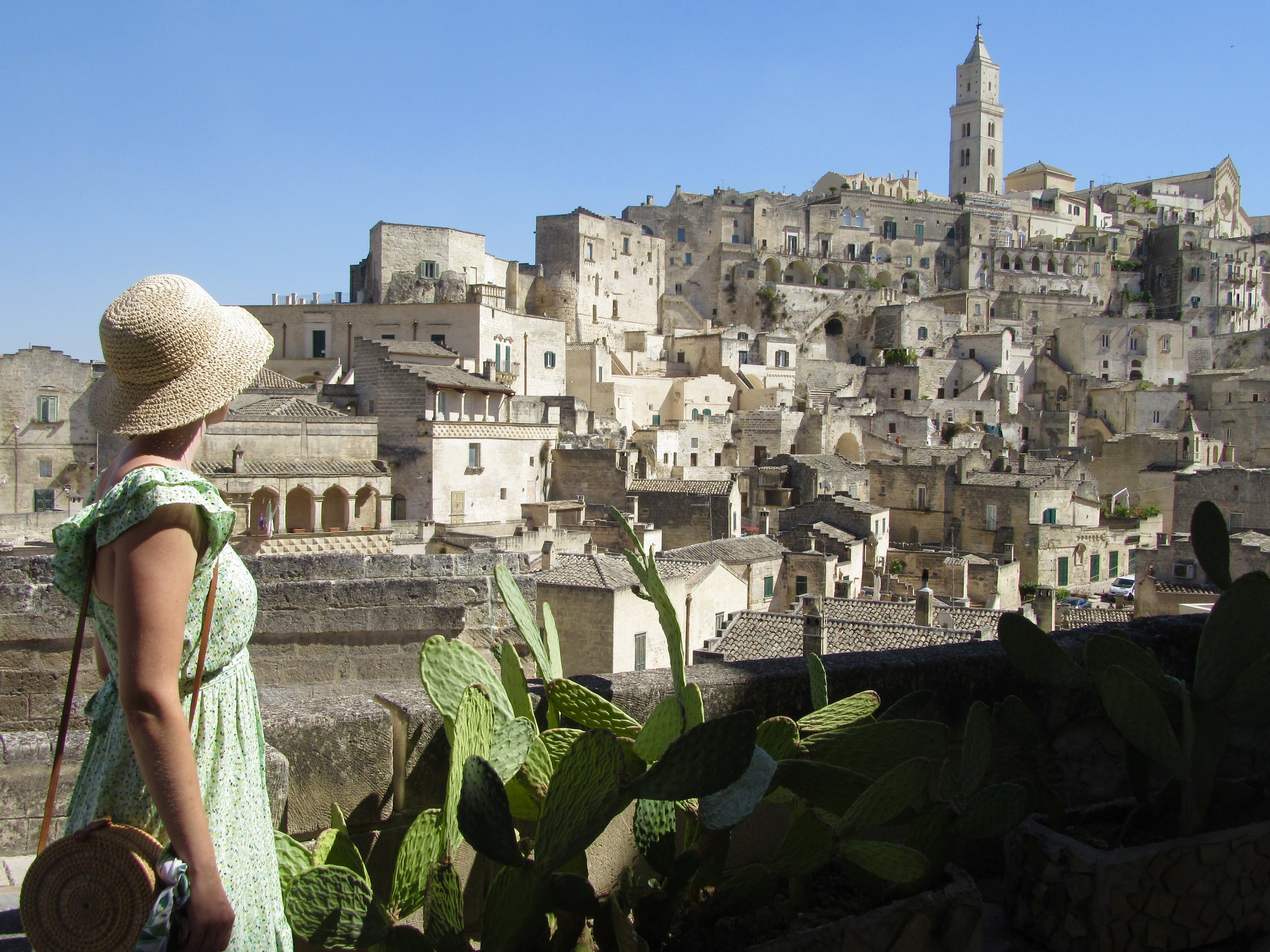
“Don’t wear flip-flops, baseball caps or big-brimmed hats because you’ll stand out as a tourist.”
This common tip isn’t very important. Footwear and hats won’t be the only indications that you’re a tourist. The second you open your mouth, Italians will know that you’re not from there.
Flip-flops aren’t practical footwear for walking in Italy, and rarely will you see an Italian wearing a hat. But if those things are part of your usual attire, you do you. Is it the worst thing in the world if Italians identify you as a tourist?
Because of the beautiful weather in southern Italy, it is SO common to see tourists wear these so-called “faux pas” accessories. So it’s unlikely that you’ll stand out as different when so many other people are wearing the same things.
Seeing people embrace the food and enjoy their culture matters much more to Italians than what you’re wearing.
Italy Travel Tip #16
“Don’t assume you can get food whenever you want.”
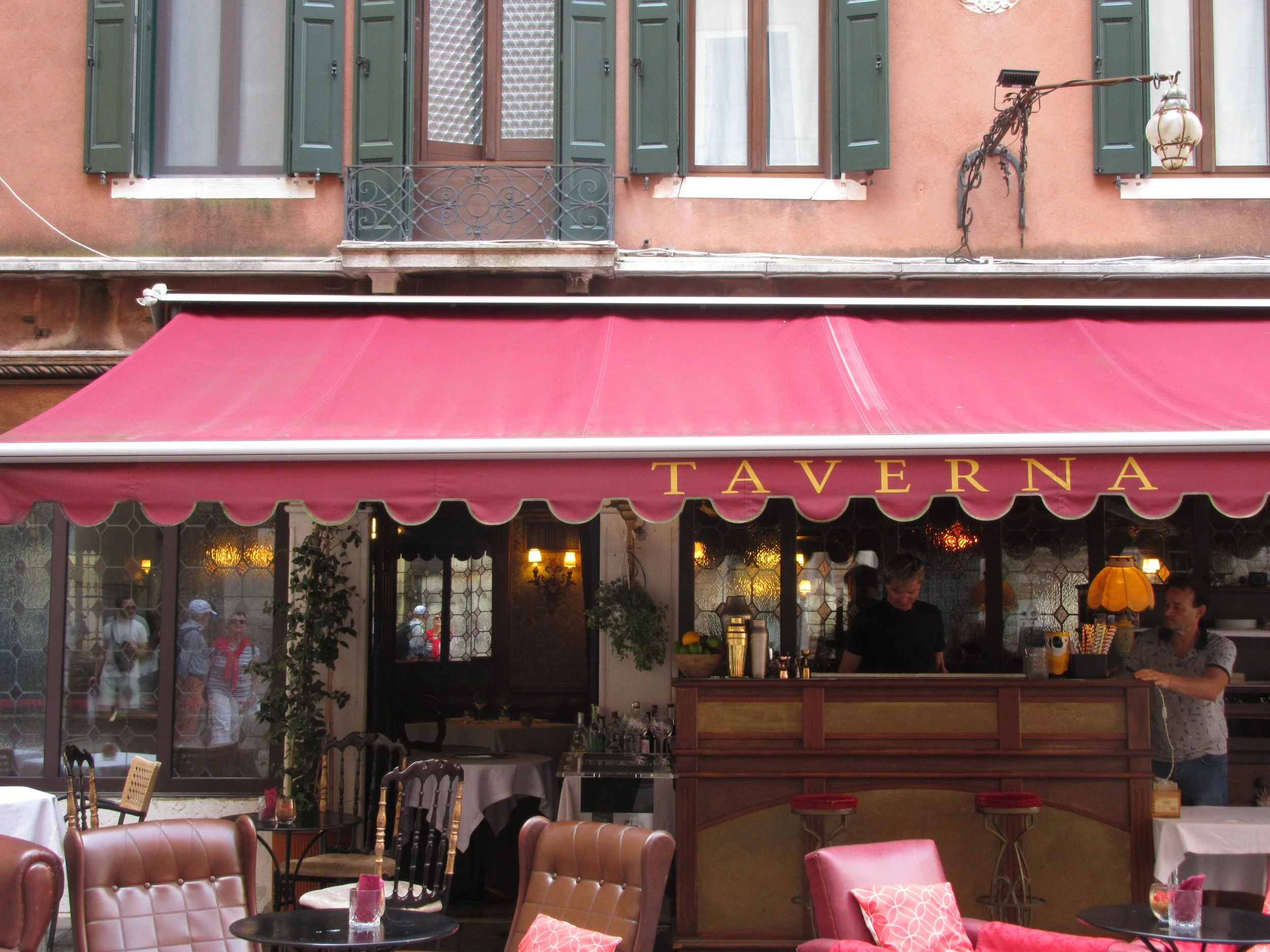
This is very true. Not only are restaurants in Italy closed between roughly 2pm and 7pm, but grocery stores can also be closed in small towns during the afternoon.
Inevitably, there are days of your vacation when you sleep in a little longer, or you’re waiting for others to get ready, and the day gets off to a late start. So if you’re not eating your Italian breakfast until 10:30/11:00, chances are that you’re not going to be ready to eat lunch at noon.
But by the time you are hungry and wanting to sit down, around 2pm, restaurants are closing. And if you’re in a rural area, EVERYTHING can be closed at that time. Now, you and everyone you’re travelling with are hungry and cranky.
This happens to the best of us. I’m fully aware of the need to eat while businesses are open in Italy, but while travelling with friends, we’ve been stuck a few times without food or settling for mediocre food at touristy restaurants.
In the south of Italy, they take their afternoon rest more seriously than in the north. So you may need to be more alert to closing times when you’re in southern Italy.
Do your best to stick to the Italian schedule of eating. Eat breakfast early, eat lunch around noon, and sit down for dinner at 7 pm. Of course, if you’re in large cities, there will always be food available somewhere.
Italy Travel Tip #17
“Don’t ask for modifications to your plate when ordering food.”
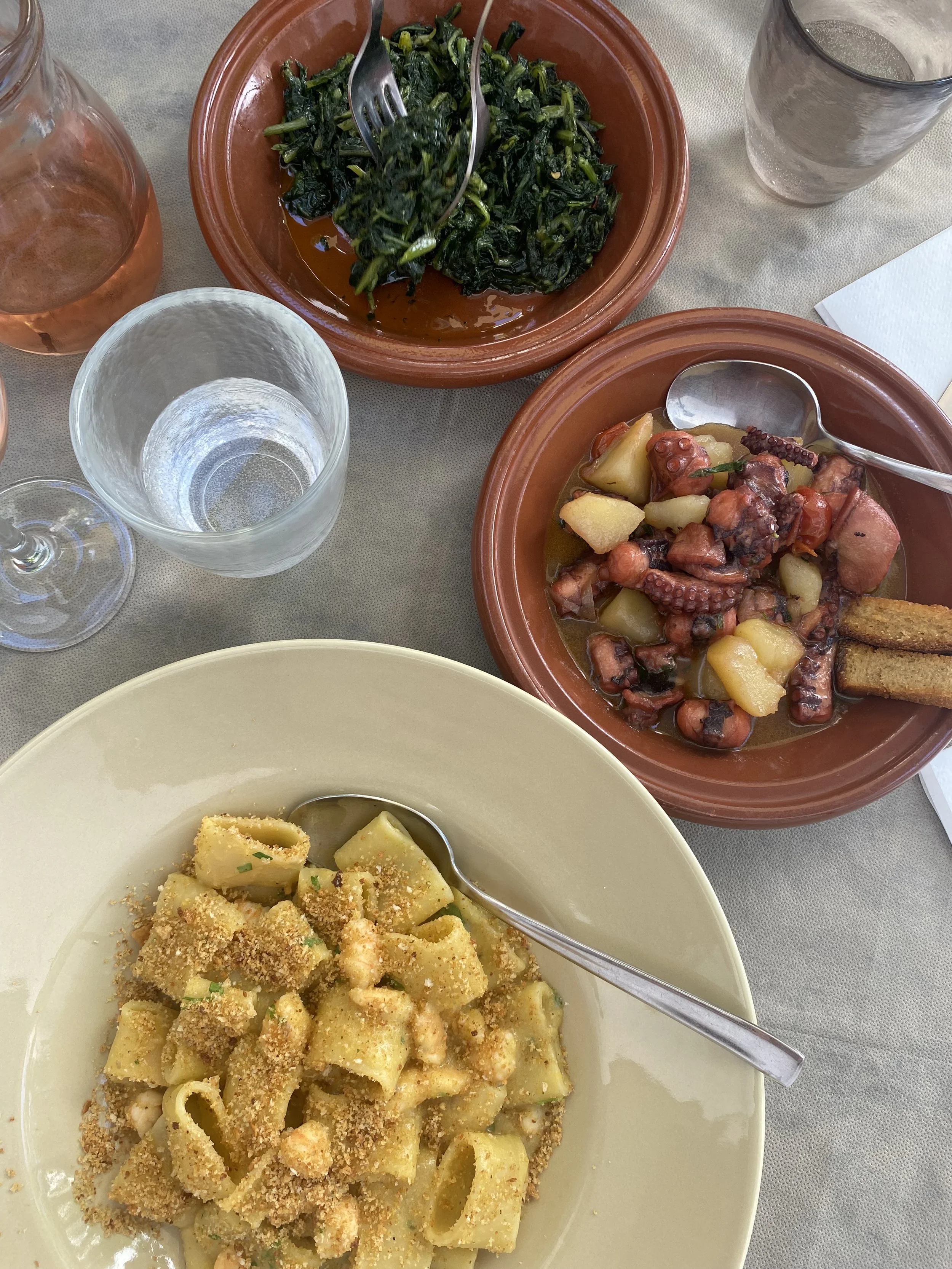
Your restaurant/eating experiences in Italy will indeed be much smoother and more enjoyable if you don’t ask for modifications to your meal.
Italian restaurants aren’t used to making food modifications; it can be confusing to explain the change you want to make, and there’s a good chance they won’t do it anyway.
If you have a food allergy, do whatever is needed to make it clear to the restaurant staff. But if you have a severe allergy, eating out in Italy can be difficult. Most restaurants will not be able to provide complete safety and zero cross-contamination.
The farther south you go in Italy, the less understood food modifications will be. Not necessarily because of language barriers, but because there’s a strong emphasis on tradition and preserving recipes as they were originally created.
Italy Travel Tip #18
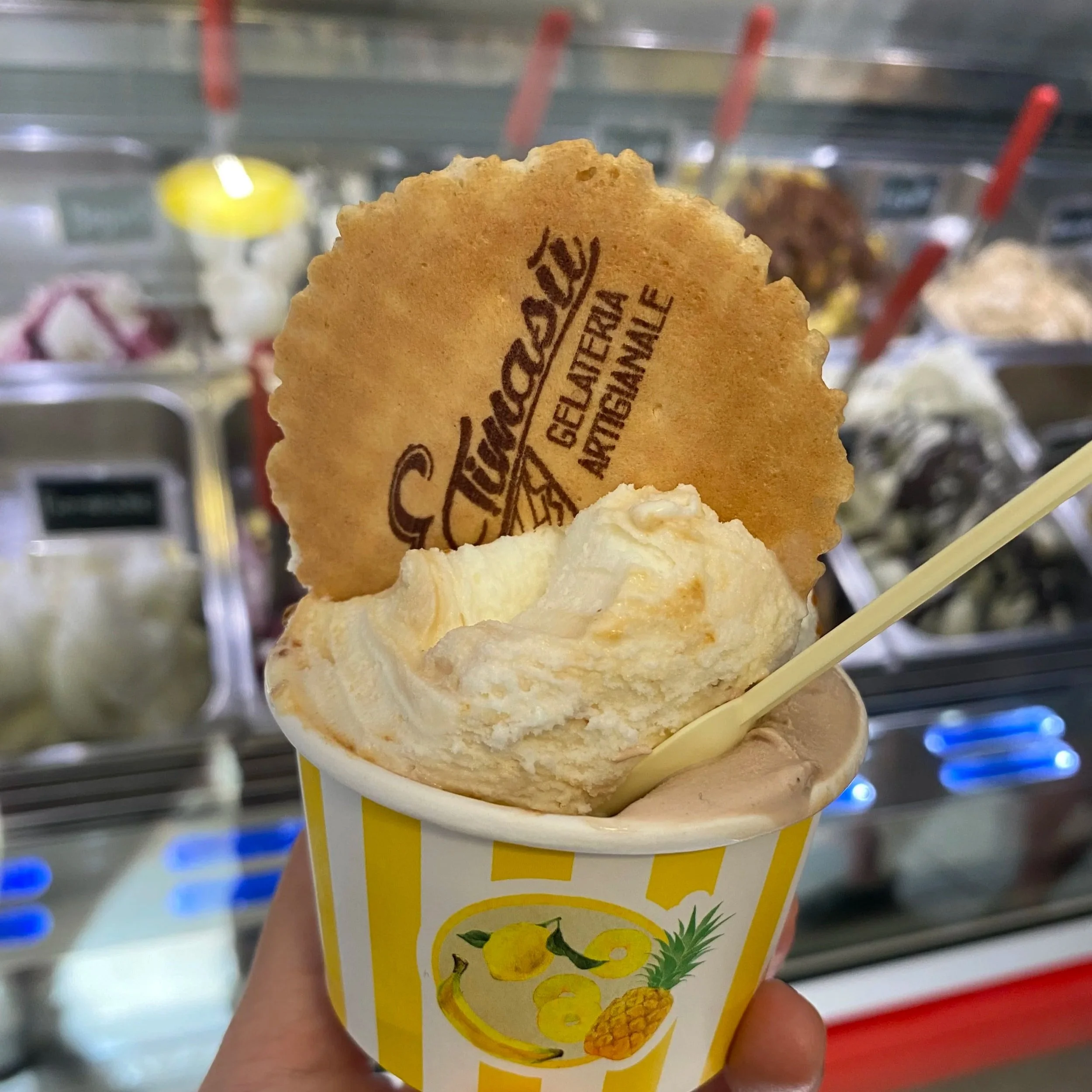
“Don’t fall for tourist trap gelato.”
In Italy’s big cities, bad gelato does exist. If you don’t want to fall victim, there are some good gelato standards to follow.
Look for shops that only have gelato in natural colours; no neon bright, artificial hues.
Handwritten flavour labels can also indicate homemade gelato and changes in flavours throughout the year.
Instead of billowy gelato overflowing out of the containers, look for places that fill the metal containers to the rim. Better yet, search out shops that cover their gelato with metal lids. This means that it is likely artisanal.
These tips can be applied throughout Italy, from north to south.
Italy Travel Tip #19
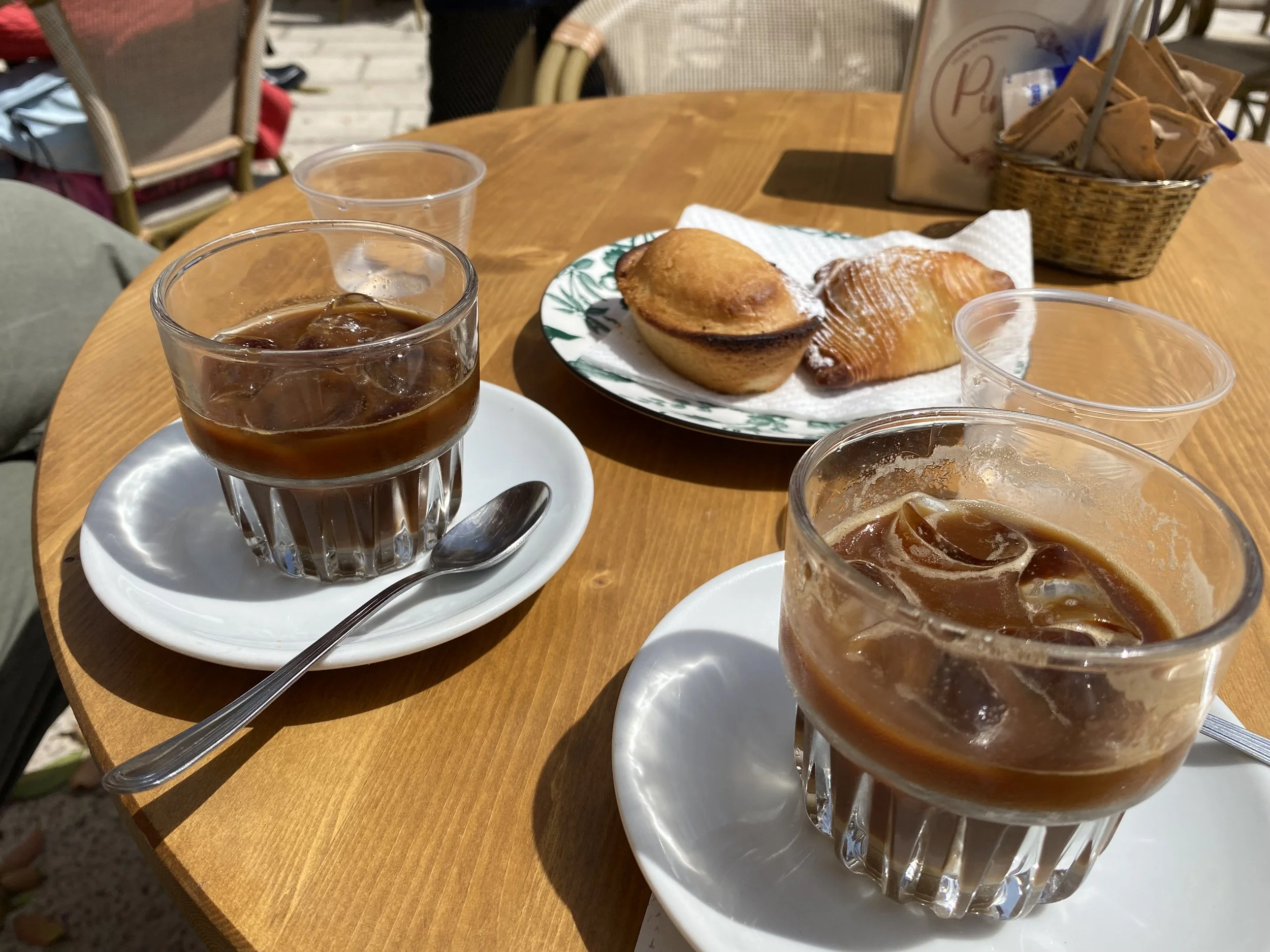
“Don’t order your coffee to-go.”
Yeah, I agree with this. Coffee in Italy is meant to be enjoyed on the spot, not while walking. If you try to fight this cultural norm, you’ll likely be disappointed with your coffee experiences in Italy.
Asking for a coffee to-go will take longer to get because the barista will have to find a paper cup. It’s so unusual for someone to ask for take-away coffee that they don’t typically keep paper cups at hand.
Plus, coffees are so small in Italy that you’ll have finished a to-go cup by the time you leave the bar anyway.
The farther south you travel in Italy, the more unusual it is to ask for beverages to go.
Italy Travel Tip #20
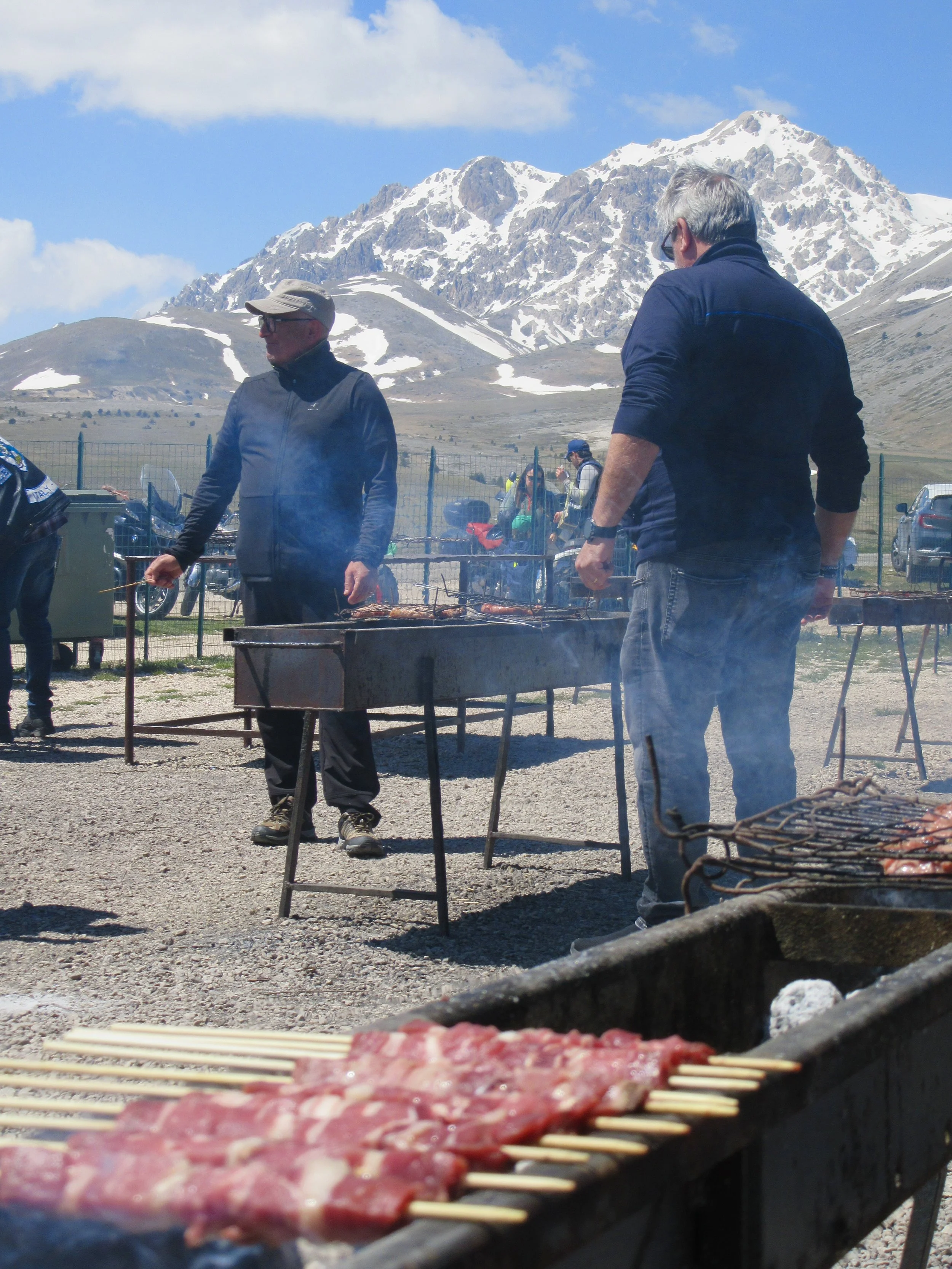
“Don’t eat on the go.”
While it’s true that Italians don’t typically eat on the go, there are some little exceptions to this rule.
From north to south in Italy, I would say it is very acceptable to stroll while eating gelato or street food, like arancini or fried seafood cones.
It is also fine to pick up some food and take it to a park, piazza, or waterfront to enjoy while sitting.
You might get some strange looks if you were to eat a take-out meal while walking, or if you pull out food to eat on a train or bus. But honestly, it’s not a big deal. You do you.
Italy Travel Tip #21
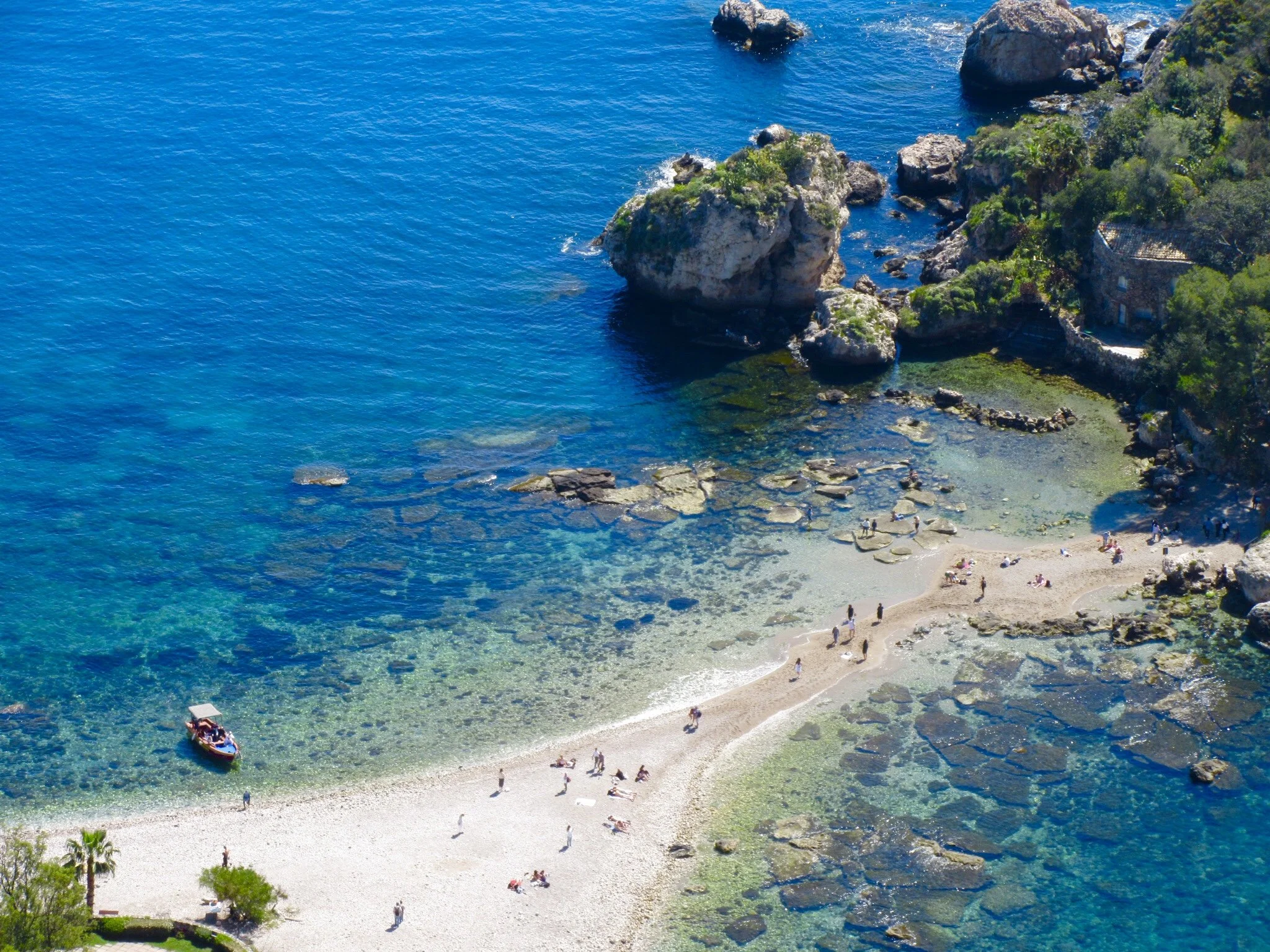
“Don’t expect Italy to be beautiful everywhere you look.”
I hope this isn’t bursting any bubbles, but not every nook and cranny of Italy is indeed stunning. If you haven’t travelled in Italy before, it’s wise to remember this point.
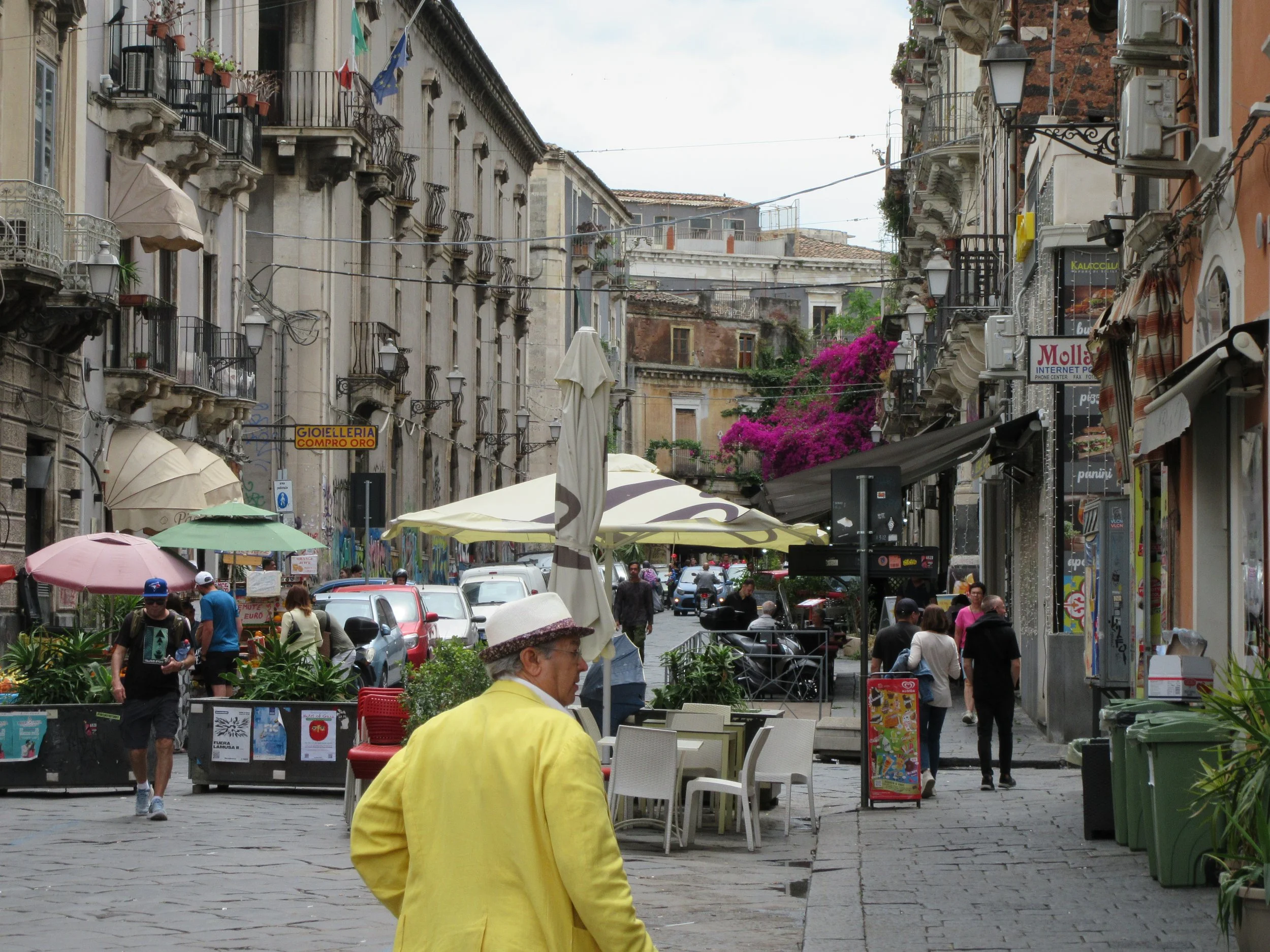
When friends would come to visit me in Catania, I would warn them that the journey from the Catania airport to the city center (including the city center) is not pristine, but actually quite gritty. A city like Catania can give a deceiving first impression of Sicily.
I would give my friends a heads up because I didn’t want them to arrive and have feelings of regret over choosing to visit Sicily. Inevitably, my friends wouldn’t take my warning seriously and were often shocked by the chaos and grunge of the city. It’s not a side of Italy that you typically see on Instagram.
But Sicily would more than redeem itself over the course of these visits! So don’t be put off by any negative first impressions of Italy, particularly in the south. The south does have more pockets of graffiti, garbage and chaos than the rest of Italy. But don’t worry. Its beauty will force you to overlook any shortcomings.
I hope this review of common travel tips for Italy and so-called “tourist mistakes” has left you feeling less stressed about your Italian vacation! Take any overly dramatized tips that you watch or read with a grain of salt.
My biggest tip for avoiding almost any “mistake” you might make as a tourist in Italy is simple: be friendly and considerate toward the locals. It will go a long way in making your trip more enjoyable.
Are you currently planning your own trip to Italy?
I offer one-on-one travel consultations where you can ask questions about destinations, transportation, itineraries, food, and more. Learn more about the Italy Insider Call.